
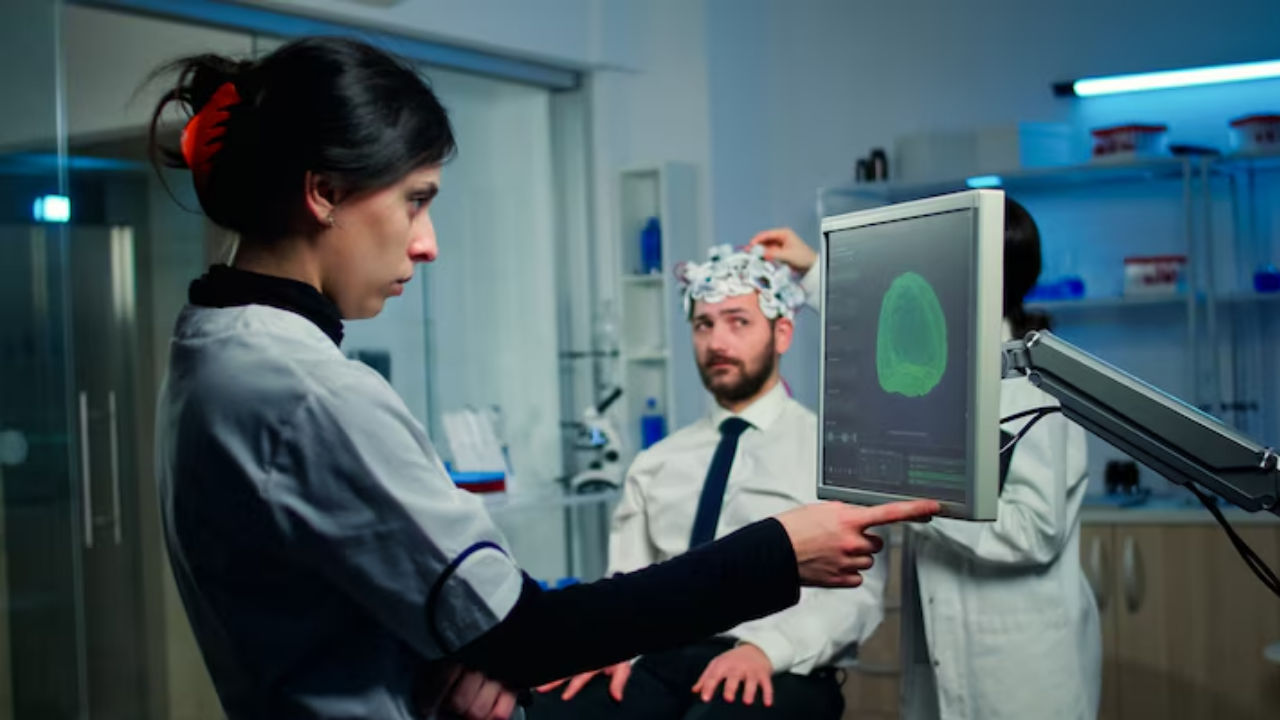

In today’s fast-paced world, human error remains one of the biggest challenges across industries, from healthcare and finance to manufacturing and customer service. Mistakes can lead to costly setbacks, decreased productivity, and even safety risks. However, with the rise of Artificial Intelligence (AI), organizations are finding powerful allies to reduce human errors and enhance overall efficiency.
Understanding Human Error and Its Impact
Human error refers to unintentional mistakes made by people during task execution. These can stem from fatigue, distraction, lack of knowledge, or complex processes. According to studies, human error contributes to approximately 70-90% of workplace accidents and operational failures, which highlights the critical need for effective mitigation strategies.
How AI Supports Reducing Human Errors
AI technologies like machine learning, natural language processing, and computer vision offer innovative ways to minimize human error by augmenting human capabilities. Here’s how AI achieves this:
1. Real-Time Monitoring and Alerts
AI systems can continuously monitor workflows and detect anomalies or unusual patterns that may indicate errors. For example, AI-powered quality control in manufacturing can identify defects early, alerting workers before mistakes escalate.
2. Automating Repetitive Tasks
Many errors occur due to repetitive and mundane tasks that cause fatigue and inattentiveness. AI automates such routine tasks, freeing humans to focus on critical thinking and decision-making.
3. Decision Support Systems
AI tools provide data-driven insights and recommendations, helping humans make more accurate decisions. In healthcare, AI-assisted diagnostics help reduce misdiagnoses by analyzing vast medical data faster than humans.
4. Enhanced Training and Simulations
AI-powered training programs adapt to learners’ needs, providing personalized simulations that prepare employees to handle complex scenarios without errors.
5. Error Prediction and Prevention
Machine learning models can predict where errors are likely to happen based on historical data, enabling proactive measures to prevent mistakes before they occur.
Benefits of Reducing Human Error with AI
- Increased Safety: Fewer mistakes lead to safer workplaces, especially in high-risk industries like aviation and healthcare.
- Higher Productivity: Reducing rework and downtime boosts overall operational efficiency.
- Cost Savings: Minimizing errors decreases costly penalties, recalls, and repairs.
- Improved Customer Satisfaction: Delivering consistent, error-free service builds trust and loyalty.
Challenges and Considerations
While AI offers powerful tools to reduce human errors, it’s essential to maintain a balanced approach. Over-reliance on AI without human oversight can introduce new risks. Additionally, ethical considerations, data privacy, and AI system transparency are crucial to address.
Conclusion
AI is transforming how organizations tackle human error by providing intelligent support that enhances accuracy, efficiency, and safety. By integrating AI thoughtfully into workflows, businesses can significantly reduce human errors and unlock new levels of performance.