
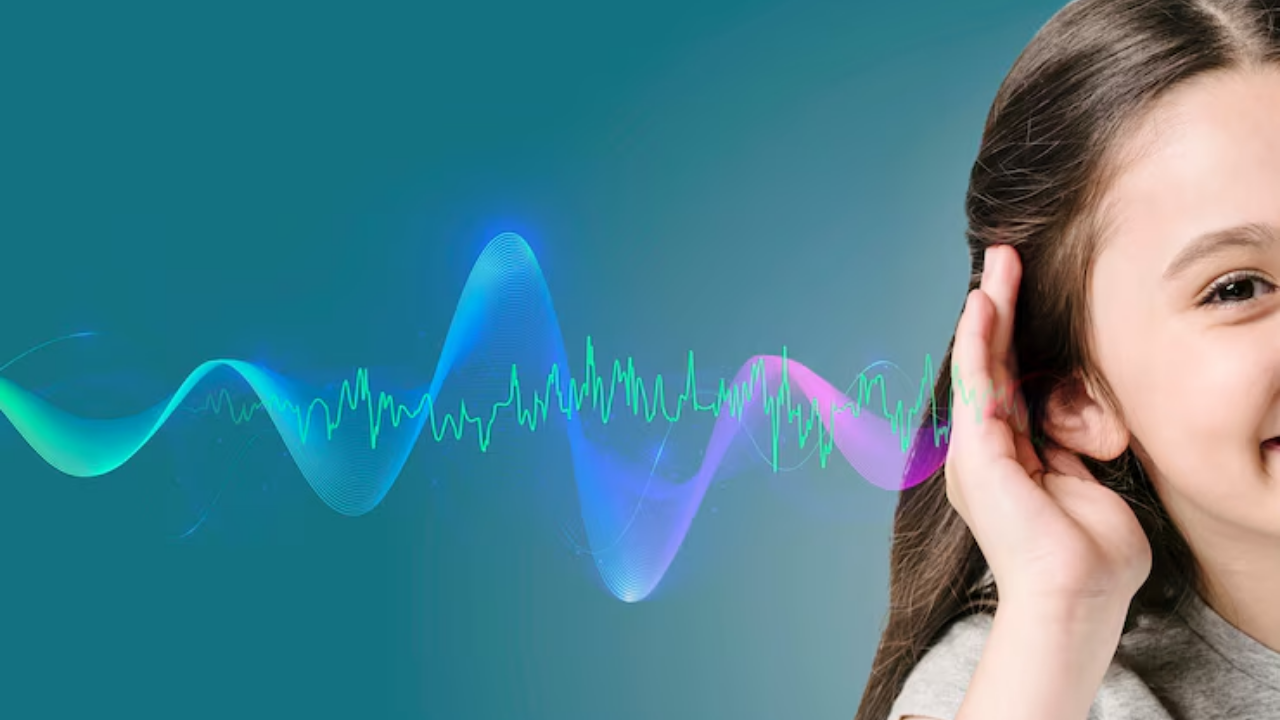

Voice Emotion Recognition (VER) technology has rapidly advanced in recent years, finding applications in customer service, healthcare, security, and even entertainment. The ability to identify human emotions through speech opens the door to more empathetic AI systems and improved user experiences. However, despite the excitement surrounding this technology, one significant hurdle remains — accuracy.
Understanding Voice Emotion Recognition
Voice Emotion Recognition involves analyzing vocal cues such as pitch, tone, rhythm, and intensity to determine a speaker’s emotional state—be it happiness, anger, sadness, or fear. VER systems typically rely on machine learning models trained on large datasets of speech labeled with emotional tags.
Why Accuracy is Crucial
The usefulness of VER depends entirely on its ability to correctly identify emotions. Inaccurate recognition can lead to misunderstandings, poor decision-making, and negative user experiences. For example, a customer support bot that misreads frustration as calmness may fail to escalate the issue appropriately.
The Core Accuracy Challenges in VER
1. Ambiguity and Subjectivity of Emotions
Emotions are inherently complex and subjective. People express feelings differently based on cultural background, personality, and context. A tone perceived as anger by one person might be interpreted as excitement by another.
2. Variability in Speech Patterns
Speech is influenced by many factors including age, gender, health, and emotional intensity. A single emotion like sadness can sound very different depending on the speaker, making it difficult for algorithms to generalize.
3. Limited and Biased Training Data
Most VER models are trained on datasets that might not be diverse enough, often lacking representation across languages, accents, and demographics. This leads to models that perform well on certain groups but poorly on others.
4. Noisy and Real-World Environments
In practical applications, background noise, poor audio quality, and overlapping speech degrade the performance of voice emotion recognition systems.
5. Contextual Understanding
VER systems often analyze isolated speech segments without full context, missing out on conversational cues, sarcasm, or irony that humans naturally understand.
Steps Towards Improving Accuracy
- Multimodal Emotion Recognition: Combining voice data with facial expressions, gestures, and physiological signals can provide richer emotional context.
- Data Diversification: Collecting larger, more varied datasets that cover different languages, cultures, and speaking styles.
- Advanced Machine Learning Techniques: Employing deep learning models capable of capturing subtle vocal nuances and temporal dynamics.
- Contextual Integration: Enhancing models with conversational history and situational context.
- Noise Robustness: Designing algorithms that can filter or adapt to noisy environments effectively.
Conclusion
While voice emotion recognition holds immense promise, its accuracy remains a critical bottleneck. Bridging this gap requires continued innovation in data collection, model design, and contextual analysis. As these challenges are addressed, we can look forward to more emotionally intelligent systems that truly understand and respond to human feelings.