
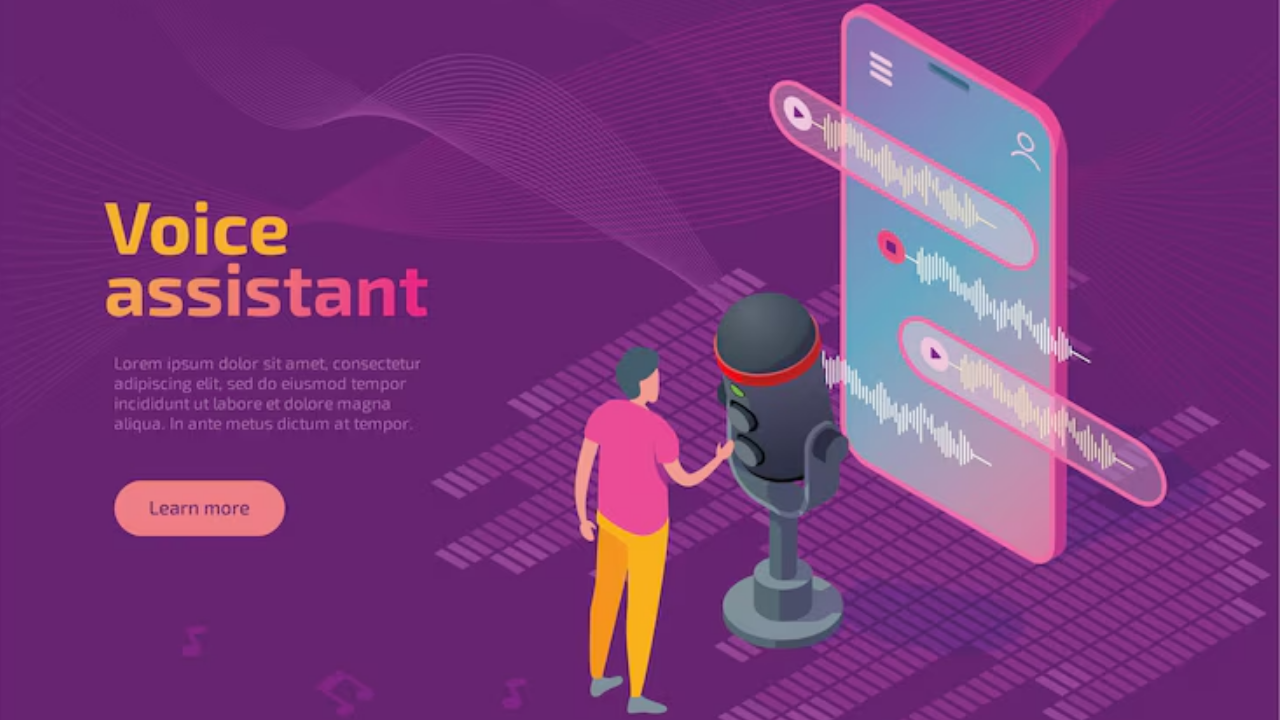

In today’s digital era, voice technology is transforming the way we interact, communicate, and consume content. One of the most groundbreaking advancements in this space is Adaptive Voice Tones with AI Voice Modulation. This innovative technology enables machines to dynamically adjust their vocal tone to match the context, audience, and emotion—creating more natural and engaging communication experiences.
What is AI Voice Modulation?
AI voice modulation refers to the use of artificial intelligence to alter and enhance the way a synthetic voice sounds. Unlike traditional text-to-speech (TTS) systems that produce monotonous, robotic speech, AI-driven voice modulation can adjust pitch, speed, emotion, and emphasis to create a more human-like voice.
Understanding Adaptive Voice Tones
Adaptive voice tones take AI voice modulation a step further by allowing the voice to change in real-time based on the situation or user interaction. For example, a virtual assistant can switch from a professional tone during a business call to a friendly, casual tone during a leisure chat. This adaptability improves user engagement, making conversations feel more personalized and natural.
Benefits of Adaptive Voice Tones with AI
1. Enhanced User Experience
By tailoring the voice tone to the listener’s mood and context, AI modulation creates more relatable and empathetic interactions.
2. Improved Accessibility
Adaptive tones can make information delivery clearer and more understandable for users with different needs, including those with hearing impairments or cognitive challenges.
3. Brand Personality & Consistency
Businesses can use adaptive voice tones to reflect their brand’s personality, whether it’s authoritative, playful, or compassionate, ensuring consistent communication across channels.
4. Increased Engagement in Content
Podcasts, audiobooks, and e-learning platforms can utilize adaptive voice tones to maintain listener interest and convey emotions effectively.
How Does AI Achieve Adaptive Voice Tones?
AI models analyze various data inputs such as user sentiment, speech patterns, context, and environmental cues. Using machine learning and natural language processing (NLP), the system modulates voice parameters to match the desired tone. Advanced systems also learn and improve over time, refining their modulation for better accuracy.
Applications of Adaptive Voice Tones
- Virtual Assistants and Chatbots: More natural conversations with customers.
- Customer Support: Tailored responses reduce frustration and increase satisfaction.
- Entertainment: Dynamic voice acting in games and interactive stories.
- Healthcare: Compassionate voice tones for telehealth and mental health support.
- Education: Engaging, adaptive narration for diverse learning styles.
The Future of Voice Interaction
With continuous advancements in AI, adaptive voice tones will become even more sophisticated, enabling deeper emotional connections between humans and machines. As this technology matures, expect a future where voice interactions are indistinguishable from human conversations, boosting accessibility, efficiency, and personalization across all industries.