
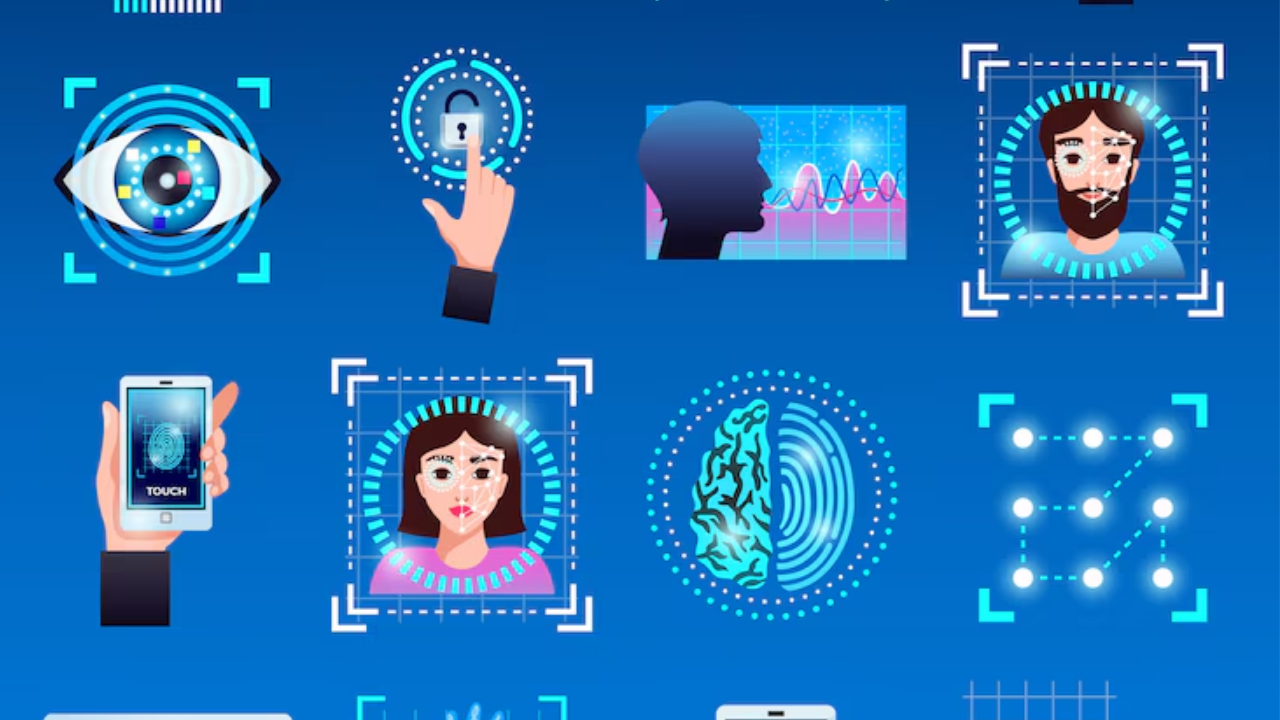

In a world where cybersecurity threats are increasing by the day, traditional methods of identity verification are no longer enough. Voice biometrics has emerged as a powerful and secure solution for verifying identities, offering convenience, accuracy, and fraud prevention. But what is voice biometrics, and how is it transforming the identity verification landscape?
🔍 What is Voice Biometrics?
Voice biometrics is a technology that uses a person’s unique voice patterns to verify their identity. Just like fingerprints or facial recognition, your voice contains unique features — such as pitch, cadence, accent, and pronunciation — that make it virtually impossible to replicate.
Voice biometric systems analyze these vocal characteristics to create a voiceprint, which is then used to authenticate individuals during future interactions.
🔐 How Voice Biometrics Enhances Identity Verification
1. Enhanced Security
Voice biometrics reduces the risks of identity theft, phishing, and social engineering. Since voiceprints are difficult to spoof, this technology adds a strong layer of security for financial institutions, telecom providers, and online platforms.
2. Frictionless User Experience
Forget passwords and PINs. Voice authentication allows for a seamless, hands-free login process. This is particularly useful in call centers, banking, and mobile applications where speed and convenience matter.
3. Remote Verification
Voice biometrics enables remote onboarding and identity verification, especially important for digital banks, healthcare services, and government agencies. Users can verify themselves simply by speaking, anytime, anywhere.
4. Fraud Detection and Prevention
Advanced voice biometric systems can detect synthetic voices, replay attacks, and voice manipulation. These systems provide real-time alerts, helping companies act fast to prevent fraud.
📊 Use Cases of Voice Biometrics
- Banking & Finance: Verifying customers during phone banking, reducing fraud risks.
- Healthcare: Ensuring only authorized individuals access sensitive medical records.
- Telecommunications: Automating identity verification in customer service calls.
- Government & Law Enforcement: Identifying individuals using voice recordings for secure access and investigation support.
🤖 Voice Biometrics vs. Other Biometric Methods
| Biometric Method | Pros | Cons |
| Voice | Non-invasive, remote access, fast integration | Sensitive to background noise |
| Fingerprint | Accurate, widely used | Requires physical contact |
| Face | Convenient, camera-based | Vulnerable to spoofing with photos or videos |
| Iris | Highly accurate | Expensive, intrusive |
⚙️ How Voice Biometrics Works
- Enrollment: User records a voice sample to create a digital voiceprint.
- Verification: When accessing a service, the user’s live voice is compared with the stored voiceprint.
- Matching & Authentication: If the voiceprint matches, access is granted.
Modern systems use AI and machine learning to improve voice recognition accuracy, even in noisy environments or if the user has a cold.
📈 Future of Voice Biometrics
With the rise of AI, voice assistants, and smart devices, voice biometrics is poised to become a mainstream identity verification method. As technology advances, we can expect:
- Better accuracy in multilingual environments
- Wider adoption in mobile apps and IoT devices
- Increased resistance to spoofing and deepfake voices
✅ Final Thoughts
Voice biometrics is not just a trend — it’s the future of secure, user-friendly identity verification. Organizations that adopt this technology can enhance security, reduce fraud, and deliver a better customer experience.