
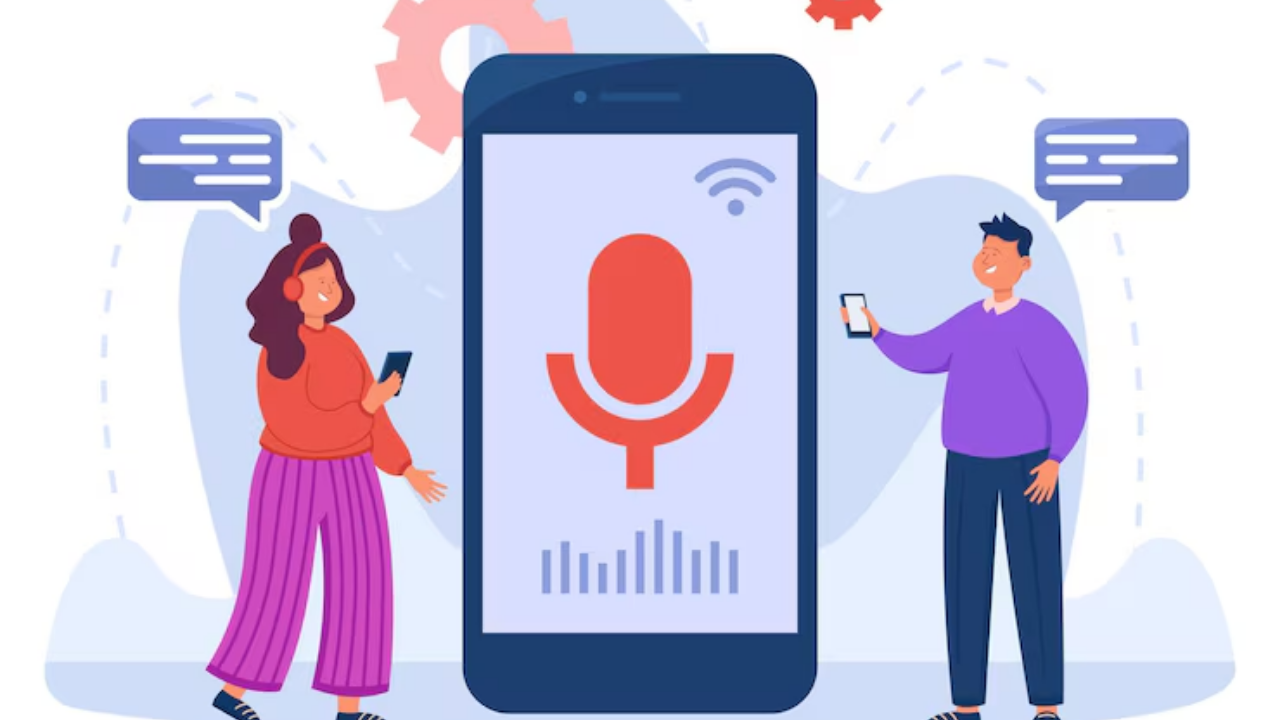

In the rapidly evolving world of AI and digital interfaces, voice personalization is no longer just a novelty—it’s a branding necessity. Whether you’re building a smart assistant, an interactive chatbot, or a voice-enabled app, giving your AI a distinct voice and personality can significantly boost engagement, customer loyalty, and brand recognition.
Why Voice Personalization Matters
Imagine interacting with a voice assistant that sounds exactly like a dozen others. There’s no connection, no identity—just a generic voice spitting out information. Now, contrast that with an AI that speaks in a tone aligned with your brand’s values: warm and friendly, professional and efficient, or quirky and fun. Which one are your customers more likely to remember and trust?
Voice is a key component of human communication, and when used right in AI, it bridges the emotional gap between technology and user. Personalizing your AI’s voice helps in:
- Humanizing your brand
- Enhancing user experience
- Reinforcing brand tone and values
- Building consistency across customer touchpoints
Steps to Create a Personalized Voice for Your AI
1. Define Your Brand Personality
Start by identifying your brand’s tone and how it translates into voice. Is your brand authoritative or approachable? Luxurious or budget-friendly? Mapping this to vocal traits (pitch, speed, warmth, intonation) ensures alignment between what your brand says and how it says it.
2. Choose the Right Voice Model
With the rise of synthetic voice technologies (like text-to-speech with voice cloning), brands can now create custom AI voices. You can work with voice actors or use AI voice synthesis platforms to build a voice that’s unique to your brand.
3. Incorporate Emotion and Context Awareness
A voice without emotion feels robotic. AI with contextual awareness—modulating tone for different interactions—makes the experience feel dynamic and authentic.
4. Localize and Diversify
If your audience spans different regions or languages, consider localizing your AI’s voice with accents, dialects, or regional expressions to enhance relatability.
5. Test, Optimize, Repeat
Gather feedback from users. Use analytics to see how voice personalization affects engagement metrics and continue refining the voice experience.
Real-World Examples of Voice Branding
- Siri (Apple): Calm, friendly, slightly humorous—a perfect fit for Apple’s sleek and accessible image.
- Alexa (Amazon): Helpful, professional, and neutral, echoing Amazon’s brand as a trusted marketplace.
- Cortana (Microsoft): Originally more humanized with a name and personality, aligned with Microsoft’s broader ecosystem.
These brands demonstrate how consistent voice use across platforms can build brand identity through AI.
The Future of AI Voice Branding
As generative AI and deep learning advance, we’ll see more brands crafting hyper-personalized, emotionally aware voice experiences. The future is not just voice-enabled, it’s voice-branded.
Soon, having a unique AI voice will be as essential as having a logo or color palette. It’s your sonic identity—a signature that speaks volumes.
Final Thoughts
Voice personalization isn’t just about aesthetics—it’s a strategic branding tool. By giving your AI a distinctive voice, you’re not just making tech talk. You’re making your brand speak—clearly, memorably, and meaningfully.